
Brotato
Erabit StudiosAction
4.63.68K Reviews
- Version
- 1.3.875
- Installs
- 5.00M
- Age Rating
- Everyone 10+
Screenshots
Our Review of Brotato
 Analysis by Appyee
My first few minutes with Brotato were a good reminder that a game can look deliberately silly and still demand serious attention. I control a potato-shaped survivor, collect weapons, dodge crowded attacks, and try to turn each short run into a stronger build before the next wave arrives. The presentation is playful, but the decisions come quickly. I am rarely just watching the action; I am constantly deciding whether to chase a safer upgrade, gamble on a more specialized weapon setup, or spend resources now and accept a harder fight later.
That contrast is the game’s main appeal. It is an action title from Erabit Studios that uses a compact arena, exaggerated characters, and a very direct combat loop to make repeated attempts feel approachable. The game is free to start, carries an Everyone 10+ age rating, and has in-app purchases ranging from $0.49 to $149.99 per item. I would not describe it as a relaxed toy, though. Once enemies fill the screen, the cheerful visual language becomes a frame around a demanding survival challenge.
After spending time with it, I see why the Android version has reached over 5 million installs and an average rating of 4.6 from around 139 thousand ratings. Those figures suggest broad appeal, but they do not explain the experience by themselves. What matters is how cleanly the visuals, sound, pacing, and upgrade choices support one another. In my experience, Brotato works best when I treat each run as a small experiment rather than as a campaign I must complete in one sitting.
A tiny world with a clear visual language
I find that a useful way to judge Brotato’s presentation is to ask whether I can read the arena while making a decision, not whether every detail looks elaborate. The art keeps the focus on the survivor and the approaching threats, which matters most when I am choosing a route through a crowded fight. That visual restraint sets up a closer look at how the sound and pace make each run feel.
Simple shapes that make busy battles readable
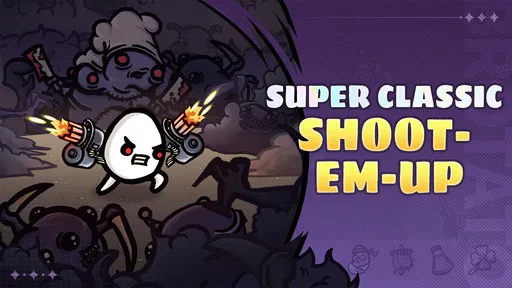
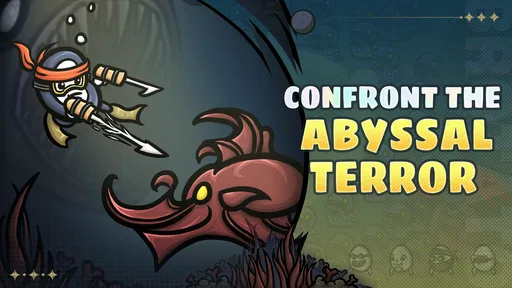
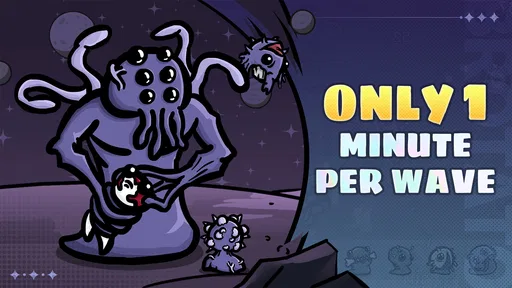
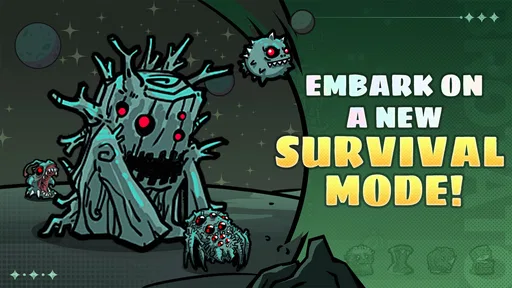
The setting is intentionally light. Instead of building a large science-fiction universe through long conversations or detailed scenery, the game presents its situation through a few immediately understandable ideas: one lonely potato, hostile aliens, a small combat space, and a stream of equipment choices. That simplicity gives the action room to speak. I can identify my character, notice incoming threats, and read the general shape of the battlefield without waiting for a story scene to explain what is happening.
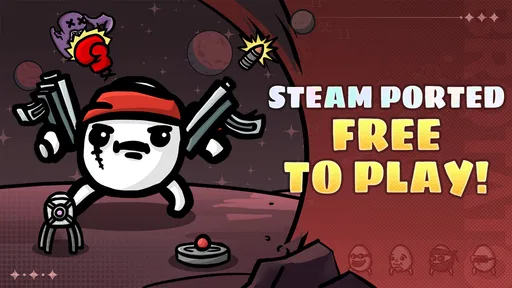
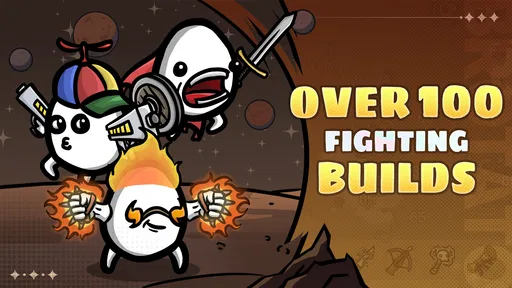
The character design also keeps the mood from becoming grim. A potato holding an assortment of weapons creates a comic distance from the pressure of the fight. Enemies can crowd the arena, but the rounded, colorful style stops the screen from feeling oppressive in the way a darker alien-horror game might. The result is a world that feels more like a playful survival challenge than a desperate military operation. That distinction matters because the game asks me to replay failed runs repeatedly.
There is a practical advantage to the exaggerated art direction. When the arena becomes crowded, strong silhouettes and simple forms help me focus on movement. I am not studying tiny environmental details while trying to escape a closing group. The visual design is not merely decoration; it supports the basic skill the game demands, which is recognizing danger quickly enough to move before the available space disappears.
The setting stays focused instead of competing with the build
I appreciate that the game does not bury its central loop under a complicated setting. The alien invasion is a reason to fight, not an excuse for long exposition. This makes Brotato easy to pick up during a short break, but it also means that players looking for a rich narrative world may find the setting thin. There is no need to remember a large cast or follow a layered plot to understand what I should do next. The trade-off is that my attachment comes from the runs and the builds, not from story development.
That choice suits the game’s structure. Every attempt has a clear visual identity from the start: my small survivor is placed in danger, enemies approach from the edges, weapons fire, and the arena gradually becomes a test of positioning. Because the world language is so direct, the game can move quickly from one decision to the next. I never feel that the presentation is asking me to pause when the mechanics want me to keep moving.
Why the cartoon tone does not make the game childish
The playful style may initially suggest something simple enough for anyone to master. That impression is misleading. The age rating is Everyone 10+, and the presentation is certainly approachable, but the strategic layer has enough friction to punish careless choices. A bright character and funny premise do not remove the need to understand weapon balance, movement, enemy density, and the value of each upgrade.
For me, the strongest visual trick is that the game makes failure feel less dramatic. Losing a run is disappointing, but the tone encourages me to try again rather than treating defeat as a major narrative setback. This is especially helpful for players who enjoy action games but dislike losing progress in a long story campaign. The same lightness may be a weakness for someone who needs atmosphere built around suspense, mystery, or emotional stakes.
Sound, rhythm, and the feeling of a run
I pay attention to how a run changes between its quieter decision moments and the pressure of combat, because that rhythm is what makes short sessions feel complete rather than chopped off. The audio adds energy without asking me to follow a separate story, while the escalating action rewards staying alert. This connection between presentation and timing leads naturally to the question of how well the mechanics support the same experience.
The audio supports motion instead of demanding attention
Brotato’s sound works best as a rhythmic layer beneath the action. The important feeling is not a cinematic soundtrack carrying me through a scripted sequence; it is the steady pressure of enemies arriving, weapons responding, and the run moving toward its next decision point. The audio helps make the arena feel active without changing the game into a story-driven spectacle.
I found that useful when playing with the screen close to my face, especially during short sessions. The visual field can become busy, so sound gives the action another sense of momentum. It reinforces the difference between a quiet preparation moment and a crowded combat phase. I still rely on my eyes for precise movement, but the audio contributes to the sense that each wave is building toward a small crisis.
The overall mood is energetic rather than frightening. Even with aliens surrounding the character, the combination of comic art and brisk feedback keeps the tone closer to arcade action than survival horror. That makes the game easier to return to. I can play a run when I want concentration and quick decisions without committing to a heavy emotional atmosphere.
Pacing is the real source of tension
The game’s pacing is built around compression. A run gives me enough time to form a plan, but not enough time to become completely comfortable with it. I may begin with a straightforward weapon choice, then discover that the next group of enemies exposes a weakness in my build. The pressure comes from the need to adjust before that weakness becomes fatal.
This is where the sound and visuals meet the mechanics. The action feels coherent because the game does not separate its mood from its structure. The comic presentation makes the restart inviting, while the escalating battlefield makes each restart meaningful. A session can feel fast even when I am spending part of it thinking through upgrades, because those decisions are connected to the next burst of movement and danger.
There is a limit to this approach. Players who prefer a calm, predictable progression may find the repeated intensity tiring. The game is not ideal as background entertainment because the most important moments require active attention. If I am distracted by a conversation or trying to play while doing something else, I am much more likely to lose control of the arena and blame the game for a mistake that was really mine.
How I use the rhythm in an everyday session
My favorite way to play is to start a run when I have a short block of uninterrupted time, such as after finishing a commute or while waiting for an appointment. I do not need to prepare a long story session, but I do need enough focus to survive the current wave and make sensible choices afterward. The compact structure makes it easy to stop between attempts, while the desire to test one more build often encourages me to continue longer than planned.
That makes it a better fit for deliberate short sessions than for passive phone use. I would not choose it when I want something to play with one hand while watching a show. I would choose it when I want a focused burst of action with a clear beginning, a sequence of meaningful decisions, and a natural stopping point after a run.
Where the mechanics match the presentation
The most useful test for me is whether the game’s presentation helps me make better choices or merely decorates the action. In Brotato, the compact arena and readable character shapes keep movement central, while the pauses between waves give me room to rethink a build. That balance is appealing, though it also clarifies why players who want manual aiming or a slower pace may prefer another kind of action game.
Automatic combat leaves room for movement and planning
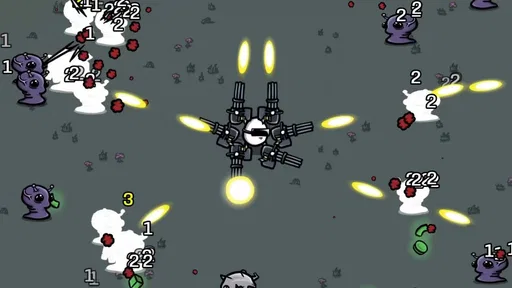
The central mechanical idea is easy to understand: I guide the survivor through an arena while weapons handle much of the attacking, and I use the results of each wave to shape the next build. That division of responsibility is important. I am not spending every second aiming individual shots, so I can concentrate on spacing, threat recognition, and the long-term direction of my equipment.
This is also why the game feels different from a traditional twin-stick shooter. In a conventional shooter, accuracy and manual targeting may dominate the experience. Here, movement and preparation carry more weight. I need to keep a route open, avoid being boxed in, and understand whether my current weapons can handle enemies at different distances. The reduced aiming burden does not make the action passive; it moves the challenge toward positioning and planning.
That trade-off will decide whether the game suits you. If you want direct control over every bullet, Brotato may feel limited. If you enjoy watching a build take shape while your movement remains the main real-time responsibility, the structure is much more satisfying. I like that it lets me think strategically without turning each encounter into a slow menu exercise.
Build decisions are more important than simply collecting stronger items
A useful mistake to avoid is treating every upgrade as an automatic improvement. The temptation is to choose the item that looks strongest in isolation, but a run is more stable when the choices support one another. A weapon that seems powerful may not solve a problem with crowd control, range, or survivability. A modest improvement that fills a gap can be more valuable than a flashy option that pushes the build in a direction I cannot support.
I recommend deciding on a broad plan early, then allowing later choices to refine it rather than constantly changing direction. I might focus on a particular weapon style, a defensive approach, or a balance between damage and survival. The key insight is that the shop is not just a reward screen; it is where I correct the weaknesses revealed by the previous wave. Spending everything on immediate damage can leave a run fragile, while saving too cautiously can make the next fight harder than necessary.
Another practical tip is to judge an upgrade by the space it creates, not only by its description. If a choice lets me move more safely or defeat a threatening group before it closes in, its value may be indirect. I have had better runs when I considered how an item would change my movement options rather than asking only whether it increased my attack power.
Why replaying is part of the design, not a lack of content
The game is built around repetition, but the repetition has a purpose. Each failed attempt gives me information about a different part of the system: perhaps I bought too many narrow weapons, ignored defensive needs, or waited too long to address a growing enemy group. Because the runs are compact and the visual language is easy to read, restarting does not feel like returning to the beginning of a huge campaign.
That said, replayability depends on whether you enjoy self-improvement. There is no guarantee that every run will feel equally fresh if you are not interested in testing different approaches. Players who need a large map, a constant stream of story scenes, or a traditional level-based adventure may run out of personal motivation sooner. Brotato rewards curiosity about combinations more than curiosity about a fictional world.
Controls, device fit, and the cost of visual clutter
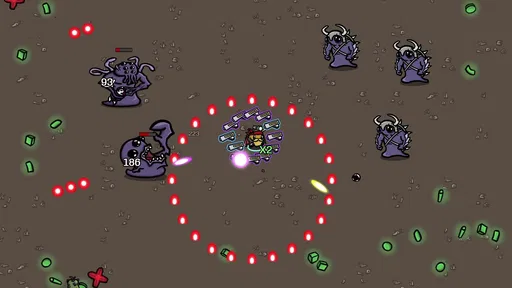
On a phone, the most important practical question is whether you can keep your movement precise while the arena fills up. The simple character shapes help, but the screen can still become visually demanding when enemies overlap and several effects compete for attention. I found that the game is most comfortable when I give my character room to move instead of waiting until the crowd is already touching me.
The minimum operating-system requirement is Android 6.0, so the game is positioned to work across a broad range of Android devices. Still, compatibility on paper is not the same as comfort in use. A smaller screen can make crowded situations harder to read, and a device with less responsive touch input could make late evasive movement frustrating. I would test a few early runs before making a purchase related to the game, especially if my phone is older or compact.
The current version is 1.3.875, which is useful to know when checking whether my installation is up to date. I would also keep expectations realistic about the mobile format. This is an action game designed around repeated runs, not a substitute for a large console shooter with expansive controls and cinematic presentation.
Who should play it, and who should look elsewhere
I would choose Brotato when I want a focused burst of arcade survival and enjoy learning from a run that goes wrong. Its appeal is strongest for players who like combining movement with equipment decisions, rather than relying on story or precise manual shooting to carry the experience. If that sounds like your kind of challenge, the final question is less whether it is polished and more whether repeated experimentation is how you like to play.
A strong fit for build experimenters
I would recommend Brotato to players who like turning simple rules into complicated decisions. It is especially appealing if you enjoy roguelite action, short survival challenges, and the satisfaction of discovering that an unusual combination can work. The game gives me a reason to pay attention to trade-offs without requiring a long tutorial or a detailed fictional history.
It is also a good choice for someone who wants a game that can be played in separate bursts. I can approach a run with a small goal, such as trying a different weapon direction or improving my movement, and stop without losing the entire evening. The free entry point makes it easier to see whether that loop matches my taste before spending anything.
The broad audience suggested by its 5M+ installs and strong average rating is understandable, but I would not treat popularity as proof that it suits everyone. The game asks for repeated attempts, quick reactions, and a willingness to learn from failure. Those requirements are more important than its cheerful appearance.
Reasons to skip it
I would skip it if my priority is a deep narrative, exploration, or a carefully staged science-fiction campaign. The alien setting provides context for the combat, but the game’s real subject is the run itself. I would also look elsewhere if I dislike restarting after defeat or if I want every session to offer a completely new environment and story beat.
It may not be the best match for players who find dense screens stressful. Even with readable character shapes, the pressure of multiple enemies and effects can become tiring. The game asks me to monitor movement, danger, and build direction at the same time. That is satisfying when I am in the right mood, but it is not a relaxing experience in the conventional sense.
Compared with a typical action shooter, it offers less manual aiming and more preparation. Compared with a slower strategy game, it offers less time to consider each choice. Compared with a narrative mobile adventure, it offers far less story and far more repetition. I would choose Brotato when I want the middle ground between reflex action and build planning, not when I want one of those extremes.
How I approach spending and progression
Because the game is free and includes in-app purchases, I would begin by treating payment as optional until I understand the core loop. The listed purchase range runs from $0.49 to $149.99 per item, so the upper end is substantial. I would avoid buying anything impulsively after a frustrating loss. A failed run usually tells me more about my decisions than about a missing purchase.
My practical approach is to play enough free sessions to decide whether I genuinely enjoy the cycle of fighting, upgrading, and retrying. If I do, I can think about purchases with a clear limit in mind. If I do not enjoy that cycle, spending more will not transform the game into a different genre. This is one of those titles where understanding the loop matters more than accelerating through it.
Atmosphere verdict: cheerful pressure with a clear purpose
What stays with me is how consistently Brotato makes its parts support the same mood. The potato-shaped hero, bright combat language, alien crowds, active sound, and rapid upgrade decisions all point toward a playful version of survival pressure. Nothing feels as though it belongs to a separate game. The art keeps failure approachable, the sound keeps the arena moving, and the mechanics give the light presentation enough depth to hold my attention.
My favorite detail is the way the cheerful setting changes how I read difficulty. A hard run does not feel like a bleak defeat; it feels like a failed experiment that I can revise. That is a meaningful strength for a mobile action game because it encourages another attempt without needing a large narrative reward. The limitation is equally clear: if I do not enjoy experimenting with builds, the visual charm will not carry the whole experience.
Erabit Studios has made a game that is easy to recognize within seconds but harder to master than its appearance suggests. The free price makes trying it straightforward, while the Everyone 10+ rating reflects its accessible presentation. I would still advise playing with focus, especially once the arena becomes crowded and the difference between a clever build and a careless one becomes obvious.
My final recommendation is positive, with a specific audience in mind. I would suggest it to a friend who wants fast mobile action, repeated runs, and meaningful equipment choices wrapped in a funny visual style. I would not suggest it to someone seeking a story-rich alien adventure or a calm game that can run unattended in the background. For the right player, the best reason to keep returning is not the promise of a bigger world, but the satisfaction of making one small arena, one build, and one risky decision work better each time.
Verdict
Strengths of Brotato
- Fast runs make Brotato easy to enjoy in short gaming sessions.
- Hundreds of weapon and item combinations encourage creative builds.
- Simple controls work well on both touchscreen and controller.
- Many difficulty levels provide a strong challenge for experienced players.
- Runs feel different thanks to varied characters, enemies, and upgrade choices.
Limitations of Brotato
- The large number of items can feel overwhelming for new players.
- Higher difficulty levels may require specific builds and repeated attempts.
- Visual effects can become crowded during intense late-game waves.
- Some characters feel much weaker until their strengths are understood.
- The core wave-based format may become repetitive over long play sessions.
Other Releases by Erabit Studios
View All
Brotato: Premium
Action4.8

Halls of Torment: Premium
Role Playing4.8

Bounty Of One: Premium
Action4.7

20 Minutes Till Dawn:Premium
Strategy4.8
Similar Picks in This Category
View All
Temple Run 2: Endless Escape
Imangi Studios4.1

PUBG MOBILE
Level Infinite4.3

Free Fire: 9th Anniversary
GARENA INTERNATIONAL I4.4

Talking Tom: Hero Dash Run
Outfit7 Limited4.3

slither.io
Lowtech Studios3.9

Sniper 3D:Gun Shooting Games
Wildlife Studios4.6
Frequently Asked Questions
What is Brotato, and what kind of gameplay does it offer?
Brotato is a fast-paced top-down roguelite shooter in which you control a potato character fighting through increasingly difficult waves of alien enemies. The main objective is to survive each timed wave, collect materials, purchase upgrades, and create a powerful build. Runs are divided into short battles, making the game easy to pick up while still offering plenty of strategy and replay value.
Is Brotato free to download and play on Android or iOS?
Brotato’s availability and pricing can differ depending on whether you use Android or iOS, as well as your region and the specific edition listed in the store. Before downloading, check the official Google Play Store or App Store page for the current price, advertisements, and in-app purchase information. Some versions may provide a premium experience, while others can include optional purchases or different content arrangements.
Does Brotato require an internet connection to play?
Brotato is primarily designed as a single-player game and most of its core gameplay can generally be enjoyed without a constant internet connection. This makes it suitable for short sessions while traveling or when mobile data is unavailable. However, an internet connection may still be required for the initial download, updates, account-related services, cloud features, or verifying purchases, depending on your device and version.
Is Brotato suitable for beginners, and is it difficult?
Brotato is accessible for beginners because its controls and basic objectives are straightforward, but the difficulty increases quickly as enemy waves become stronger and more numerous. The game rewards experimentation rather than relying on one fixed strategy. You can choose characters with different traits, combine weapons and items, and gradually improve your understanding of positioning, economy, and build planning through repeated runs.
What should I know about Brotato’s characters, weapons, and progression system?
One of Brotato’s main attractions is its variety of playable characters, each encouraging a different approach to combat. During runs, you can equip multiple weapons, buy items, and select upgrades that affect damage, speed, health, range, harvesting, or other statistics. Progression is based on making effective choices between waves, so balancing immediate survival with long-term build strength is essential for completing harder challenges.
Play our best games!


